- Same Day Service | Available 24/7 |
- 732-341-5250

How to Prevent Water Spots and Soap Scum on Shower Glass

Custom Mirrors vs Store-Bought Mirrors: Which Adds More Value?
June 4, 2026
5 Glass Design Trends New Jersey Homeowners Are Choosing in 2026
June 19, 2026
The best way to prevent water spots on shower glass is simpler than most people expect: squeegee after every shower, apply a protective coating a few times a year, and swap out harsh bar soaps for liquid alternatives. That’s the short answer. But if your doors are already clouded over with buildup, or you’re tired of cleaning the same glass every other week and still not seeing results, there’s a bit more to unpack — and it’s worth understanding why this keeps happening in the first place.
Why Shower Glass Gets Cloudy in the First Place
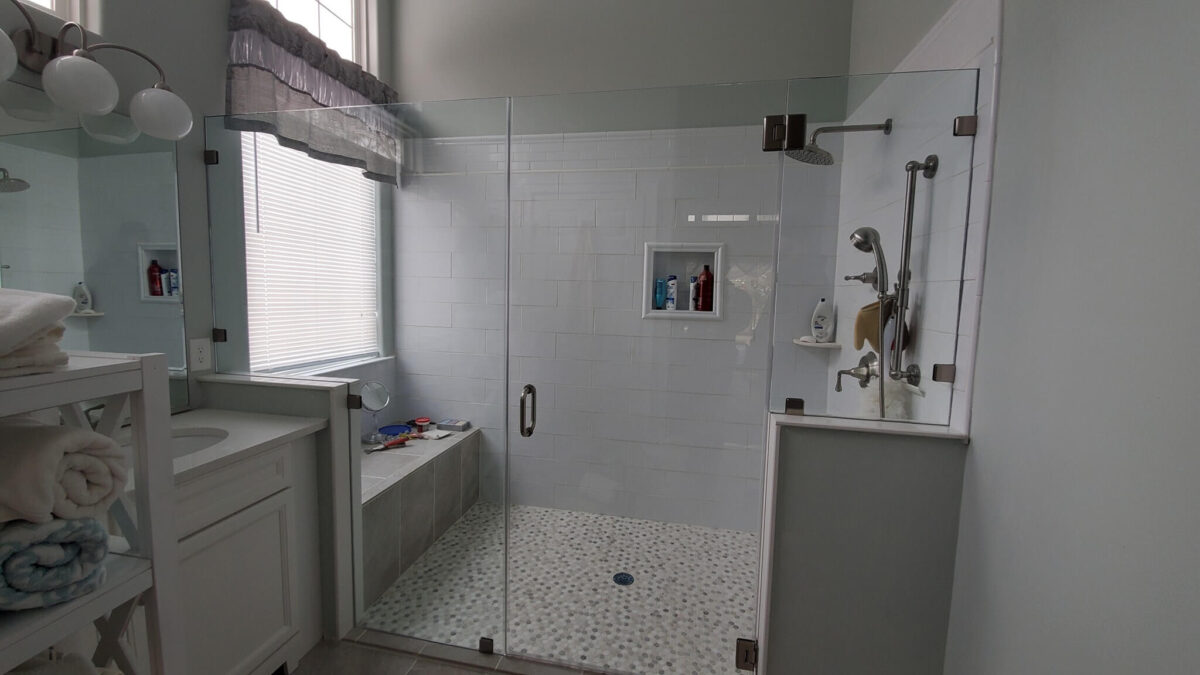
Water isn’t as clean as it looks coming out of your showerhead. Most homes in New Jersey deal with hard water, which carries dissolved minerals like calcium and magnesium. Every time water hits your glass and evaporates, it leaves those minerals behind. Over time, those deposits stack up into the white, hazy film that no amount of casual wiping seems to fix.
Soap adds another layer to the problem — literally. Bar soap contains talc and fatty acids that bond with the minerals in hard water to form soap scum. It’s a different issue from mineral deposits, but both tend to show up together, and together they make shower glass look permanently dirty even when the rest of the bathroom is spotless.
What’s Actually Causing the Buildup
Hard Water Mineral Deposits
Calcium and magnesium in tap water are the main culprits behind those white, chalky spots. They’re nearly invisible when wet but become obvious once the glass dries.
Bar Soap Residue
Traditional bar soaps leave behind a film that clings to glass surfaces and bonds with minerals, creating that greasy, foggy layer that’s notoriously stubborn to scrub off.
Infrequent Wiping After Showers
Water left sitting on glass — even for a few minutes after a hot shower — has time to start evaporating and depositing minerals. Skipping the post-shower wipe-down is one of the fastest ways to accelerate buildup.
Lack of a Protective Coating
Uncoated glass is porous at a microscopic level, which means water and soap residue can work their way into the surface rather than just sitting on top of it. Without a sealant or hydrophobic treatment, glass is always working against you.
Glass Shower Cleaning Tips That Actually Work
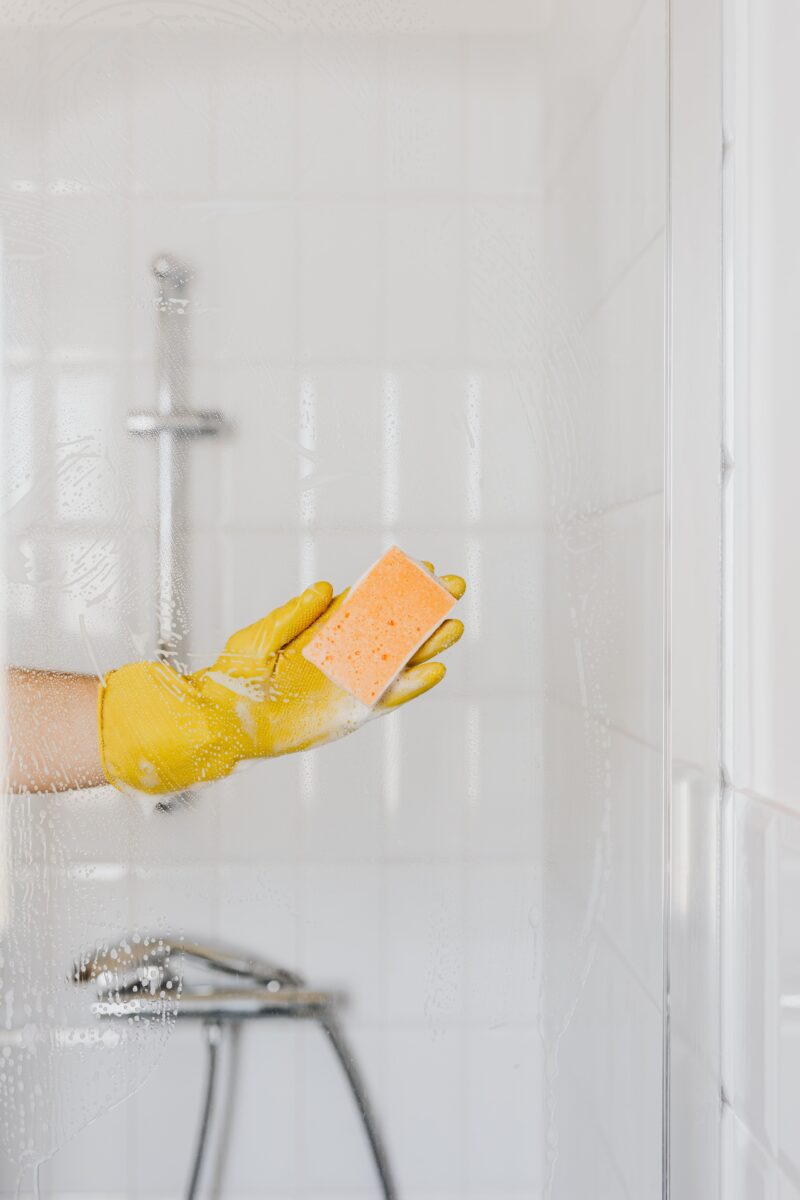
The most effective approach to keeping shower glass clear combines daily habits with a periodic deep clean. After every shower, run a squeegee from top to bottom across the glass — this one habit alone removes the majority of water before it has a chance to dry and leave deposits behind. For doors that already have light buildup, a 50/50 mix of white vinegar and water applied with a soft cloth will dissolve mineral deposits without scratching the surface.
For removing soap scum from shower doors that have heavier buildup, a paste made from baking soda and a small amount of dish soap works well when applied with a non-abrasive sponge. Let it sit for a few minutes before scrubbing in circular motions, then rinse thoroughly. Once the glass is clean, applying a rain-repellent product or a dedicated glass sealant creates a hydrophobic barrier that causes water to bead and roll off instead of spreading across the surface and evaporating in place. Reapply every three to six months, depending on how frequently the shower is used.
When to Call in a Professional
At Twin City Glass Design, we work with homeowners across New Jersey who are dealing with everything from minor cloudiness to glass that’s been neglected for years. Some buildup — especially etching caused by long-term mineral exposure — goes beyond what household cleaners can fix. In those cases, professional polishing or glass restoration can bring the surface back without needing a full replacement.
We also help homeowners make smarter long-term decisions about their shower glass, whether that’s recommending the right protective coating for their water type or identifying whether a door seal or frame issue is making the problem worse faster than it should. Our team takes the time to actually look at what’s going on before recommending anything. For practical day-to-day guidance, our Shower Door Maintenance guide and broader Glass Maintenance tips are good starting points.
The Bottom Line
Cloudy, spotty shower glass isn’t a design flaw — it’s a maintenance issue, and it’s one that’s very manageable once you understand what’s driving it. Consistent habits after each shower, the right cleaning products when buildup does occur, and a protective coating applied regularly will keep your glass looking clear far longer between deep cleans.
If the buildup has gotten to a point where DIY methods aren’t cutting it, or if you’d just rather have a professional assess what’s going on, Twin City Glass is here to help.
- 📞 Phone: 732-341-5250
- 📧 Email: twincityglassdesign@gmail.com